Parthian: King Vologases IV (147–191 AD) Silver Drachm, Ekbatana Mint, Arsacid Coin
$ 250.00
Empire: Parthian Empire
Dynasty: Arsacid (Parthian Kingdom)
Ruler: Vologases IV
Reign: 147–191 AD
Denomination: AR Drachm (Silver)
Mint: Ekbatana (modern Hamadan, Iran)
Weight: 12.54g
Metal: Silver
Region: Ancient Persia
Type: Ancient Coin
United States dollar ($)
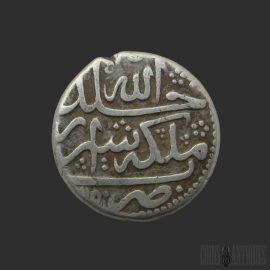
This authentic ancient silver coin is a drachm from the Parthian Kingdom (also known as the Arsacid Empire), struck during the reign of King Vologases IV approximately between AD 147 and 191. The Parthian Empire was one of the most powerful political and cultural forces in the ancient Near East, serving as a bridge between the Hellenistic world and the rising Sasanian Persian civilization. This particular coin was minted at Ekbatana (modern-day Hamadan, Iran), one of the most important royal mints of the Parthian realm.
Historical Context
Vologases IV ascended to the Parthian throne during a turbulent period of imperial history. His reign marked the beginning of the final decline of the Arsacid dynasty, though the empire remained a formidable rival to Rome in the west and the Kushan kingdom in the east. The Parthian monetary system was heavily influenced by Greek numismatic traditions established after Alexander the Great’s conquests, yet it maintained distinctly Persian iconography and cultural identity. Coins like this drachm circulated widely along the Silk Road and throughout Mesopotamia, Persia, and Central Asia, facilitating trade and serving as propaganda tools that projected royal authority.
The Parthian Kingdom (247 BC – AD 224) was renowned for its skilled cavalry, diplomatic sophistication, and unique artistic synthesis of Greek, Persian, and local Iranian elements. Vologases IV’s coinage reflects this cultural fusion—featuring Greek legends on the reverse while depicting traditional Iranian royal imagery on the obverse. The seated archer motif on the reverse represents Arsakes I, the semi-legendary founder of the dynasty, symbolizing the legitimacy and divine right of the ruling house.
Obverse Description
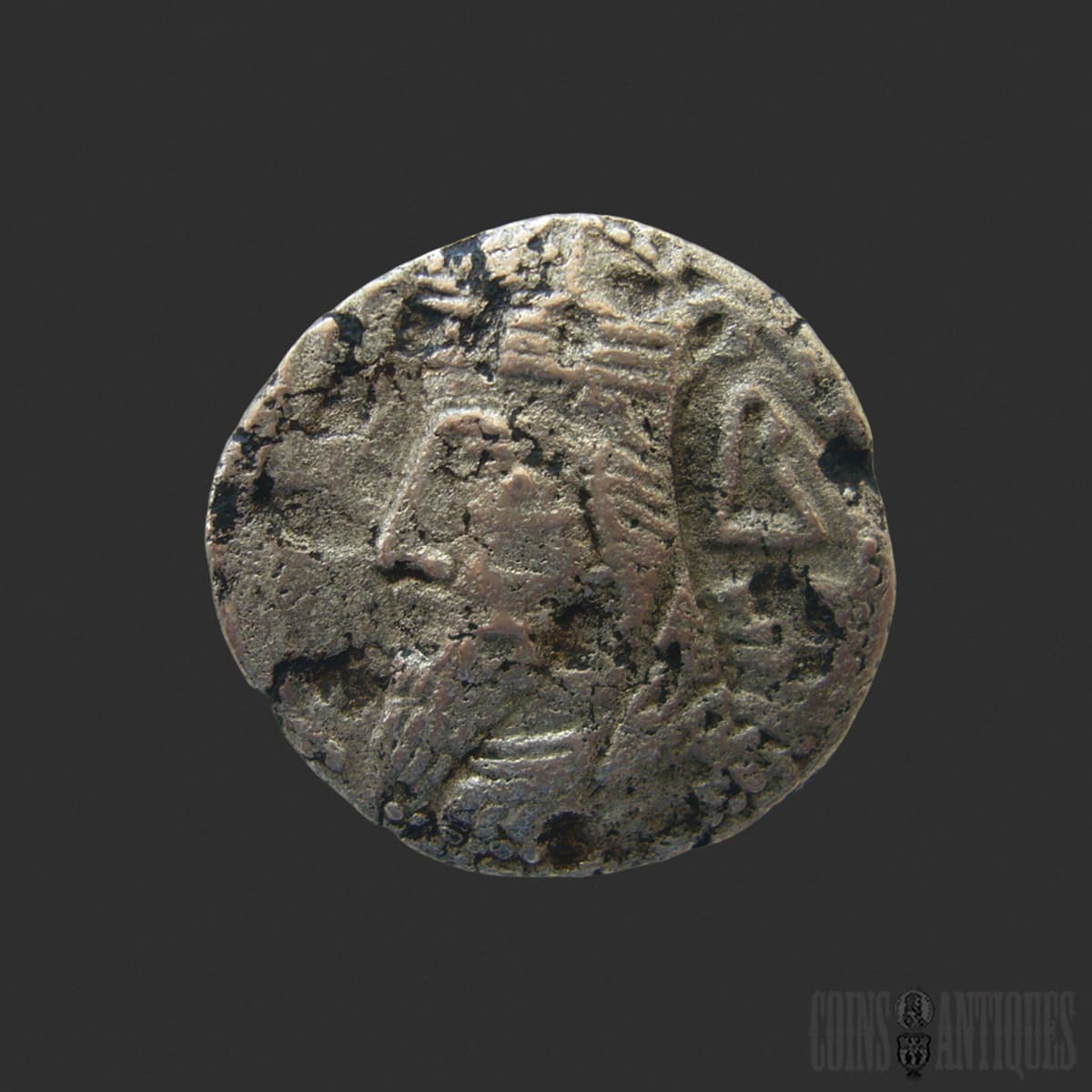
The obverse of this drachm presents a diademed bust of King Vologases IV facing left. The portrait is rendered in the distinctive Parthian royal style, characterized by:
-
A long, stylized beard indicating maturity and wisdom, traditional attributes of Persian kingship
-
A royal tiara (or diadem) signifying supreme authority, wrapped around the head and tied at the back with visible hanging ends
-
Curly hair peeking from beneath the headdress, typical of Parthian royal portraiture
-
A dignified, serene expression that conveys the king’s divine and earthly power
The portrait style blends Hellenistic naturalism with Iranian conventions of royal representation. Unlike the realistic portraiture of Roman emperors, Parthian kings were depicted with idealized features that emphasized their role as chosen rulers blessed by the gods. The bust is surrounded by a pearl border (beaded circle), a common decorative element in Parthian coinage that frames the royal image and adds visual distinction.
Reverse Description
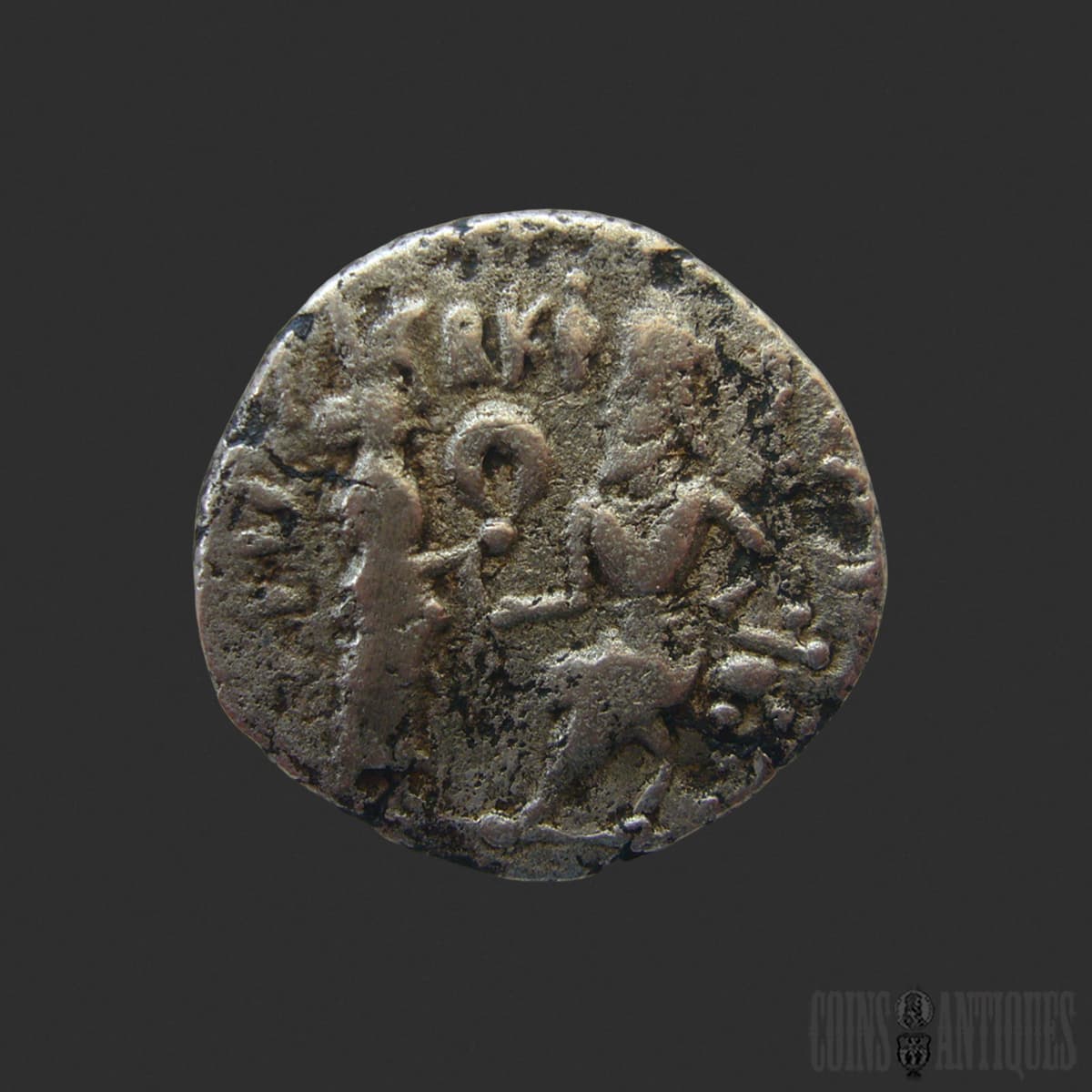
The reverse is dominated by the iconic image of Arsakes I seated on a throne, facing right, and holding a bow. This motif is the hallmark of Parthian royal coinage and carries deep symbolic significance:
-
The Archer (Arsakes I): The founder of the dynasty is depicted in a relaxed yet authoritative seated pose, drawing his bow. This image connects the reigning monarch to the dynasty’s origins and legitimizes his rule through ancestral association. The bow symbolizes military prowess and the Parthian tradition of mounted archery that made their armies feared throughout the ancient world.
-
The Throne: Indicates royal status and the continuity of kingship from the founder to the current ruler.
-
Greek Inscription: Surrounding the figure is a legend in Greek letters, typically reading “ΒΑΣΙΛΕΩΣ ΒΑΣΙΛΕΩΝ ΑΡΣΑΚΟΥ” (King of Kings, Arsakes) or variations identifying Vologases IV. The use of Greek reflects the Hellenistic heritage of the region and the international prestige of Greek language in commerce and diplomacy.
-
Monogram/Mint Mark: Below the throne, a monogram identifies the Ekbatana mint, ensuring quality control and traceability of the coinage.
The reverse design remained remarkably consistent throughout Parthian history, serving as a visual anchor that connected each new ruler to the dynasty’s foundational mythology.