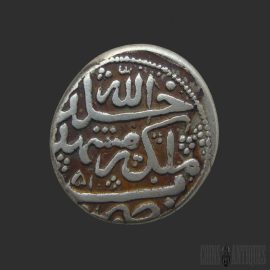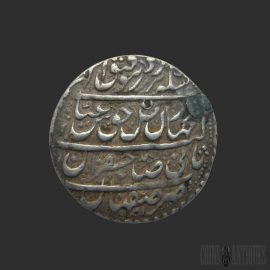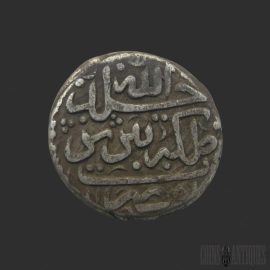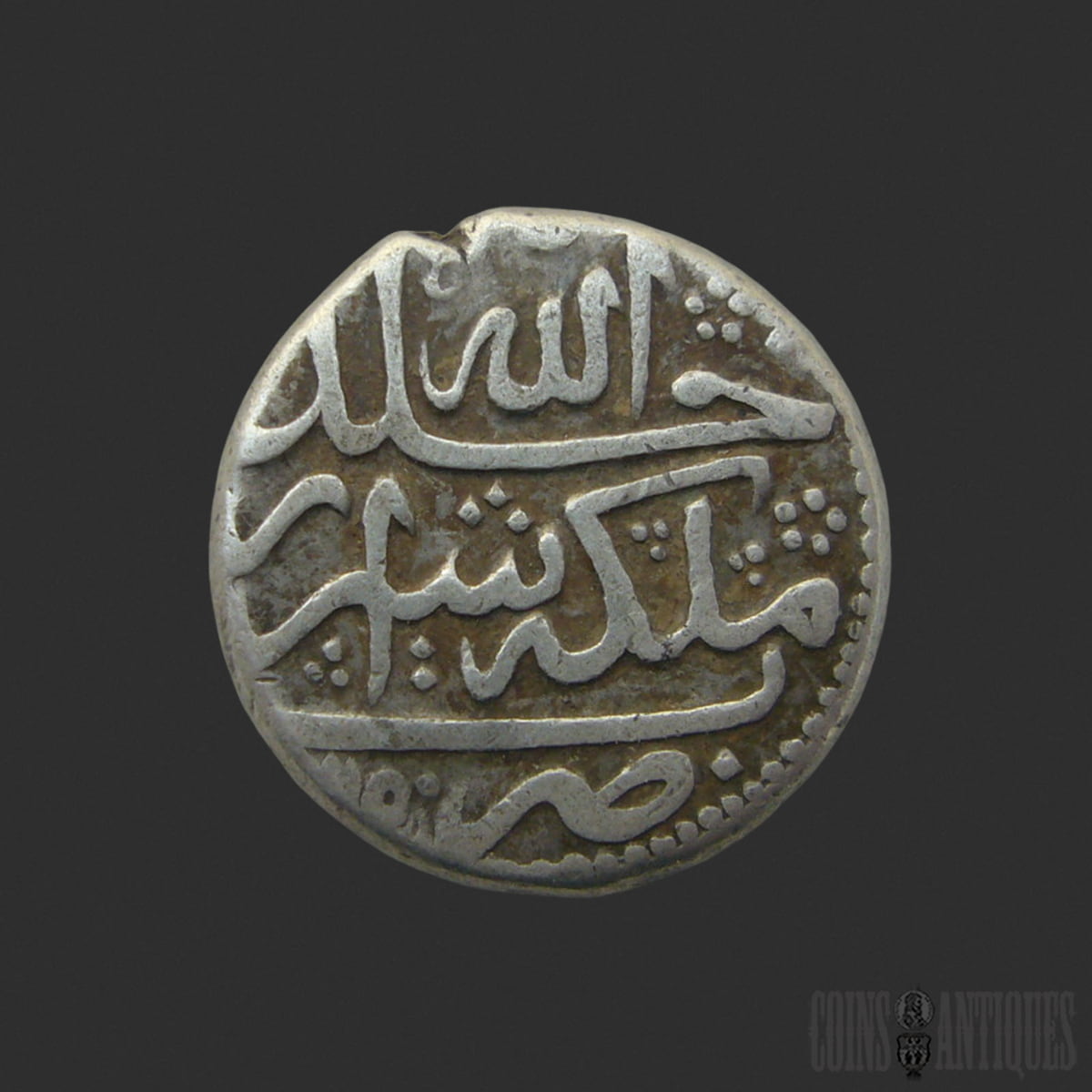
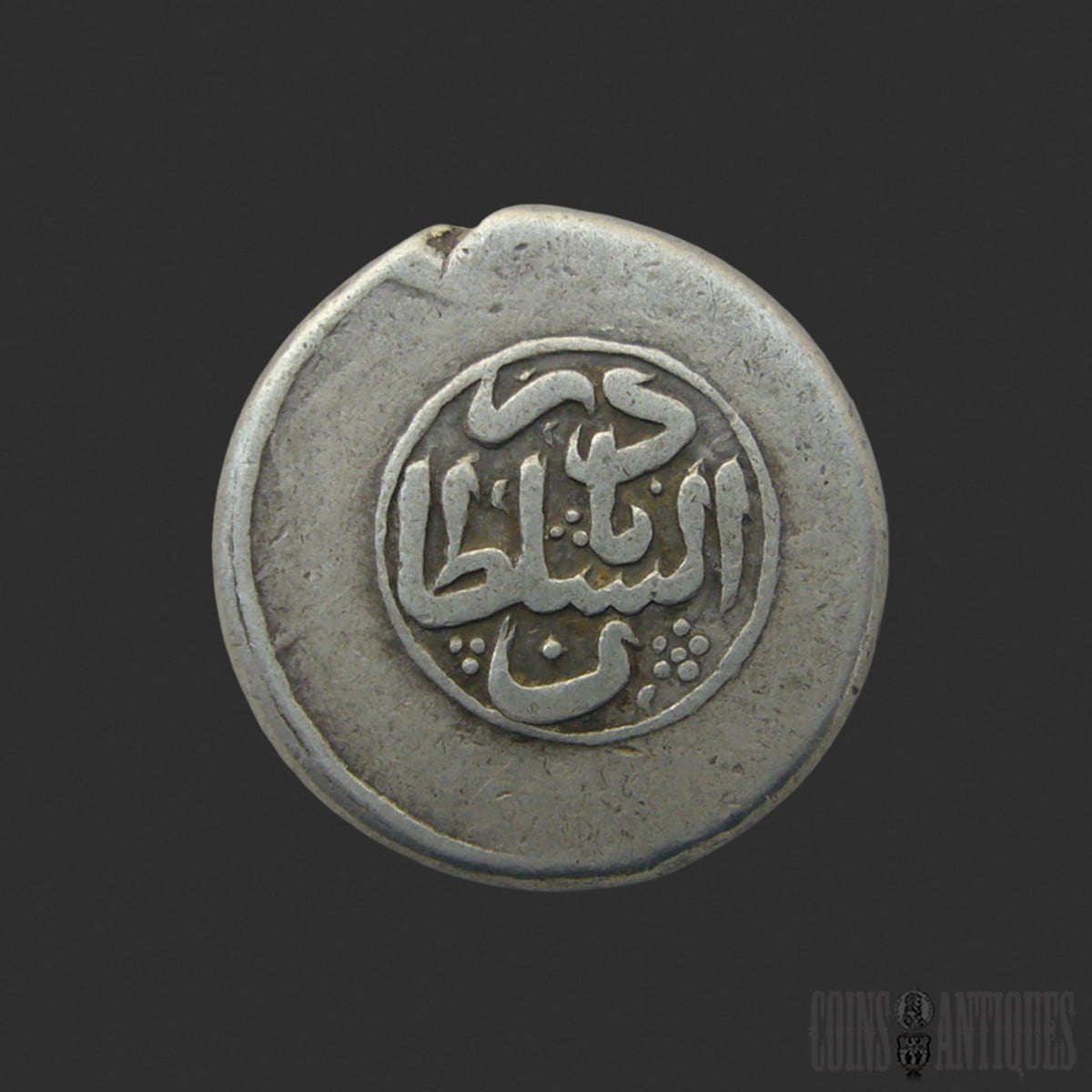
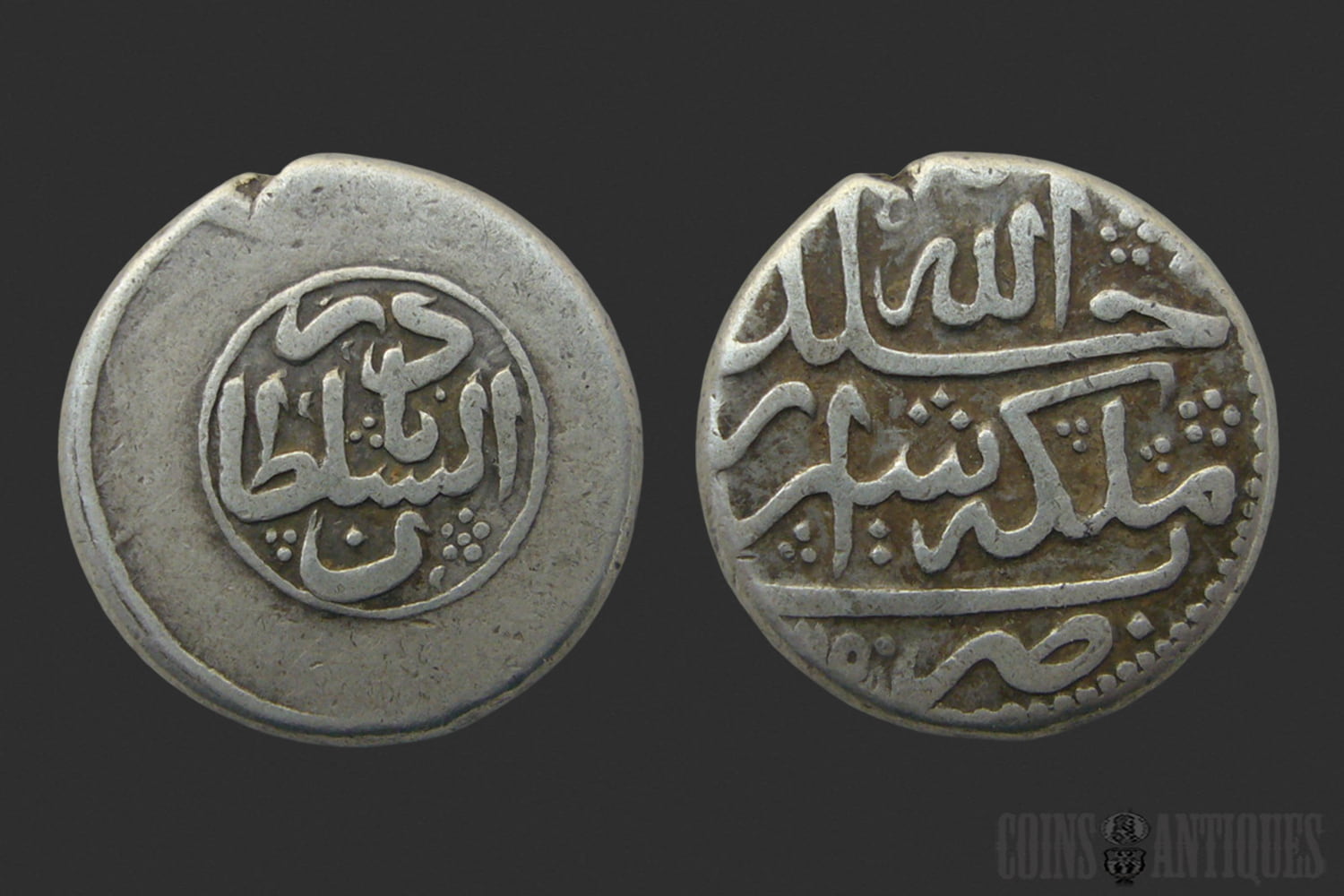
Afsharid Dynasty: Nadir Shah Afshar Silver Coin, Shiraz Mint, 1150 AH (1737–1738 AD)
$ 80.00
Dynasty: Afsharid Dynasty
Ruler: Nadir Shah Afshar
Denomination: Silver 6 Shahi
Mint: Shiraz, Persia (Iran)
Date: AH 1150 (1737–1738 AD)
Weight: 6.85 g
Type: Islamic Silver Coin / Dirham type issue
United States dollar ($)
The silver coin of Nadir Shah Afshar struck at the historic city of Shiraz in 1150 AH (1737–1738 AD) is a remarkable numismatic artifact from the early years of the Afsharid Empire. Issued during the reign of one of Persia’s most powerful military rulers, this coin reflects both the political strength and artistic traditions of eighteenth-century Iran. Nadir Shah, often called the “Napoleon of Persia,” established the Afsharid Dynasty after overthrowing the Safavid dynasty and restoring Persian military dominance across the Middle East, Central Asia, and parts of the Indian subcontinent.
This silver issue, commonly classified as a 6 Shahi denomination, was struck using traditional hammered coinage techniques. Coins from the Shiraz mint dated 1150–1151 AH generally weigh around 6.9 grams and measure approximately 18 millimeters in diameter, though minor variations are common due to the hand-struck manufacturing process. The coin is composed of silver and served as an important medium of exchange within the expanding Afsharid realm.
The obverse typically bears the inscription “السلطان نادر” (Al-Sultan Nadir), meaning “Sultan Nadir,” presented in elegant Persian calligraphy. The reverse contains additional inscriptions, including the mint name “Shiraz” and the Islamic date 1150 AH. The artistic style reflects the refined Persian tradition of calligraphic coin design, where inscriptions themselves formed the primary decorative element rather than portraits or figurative imagery.
Historically, 1150 AH corresponds to a pivotal period in Nadir Shah’s reign. Having crowned himself Shah of Iran in 1736, he was consolidating control over the empire and preparing for the military campaigns that would later culminate in his famous invasion of Mughal India and the capture of Delhi in 1739. Coins issued during this era symbolized his legitimacy as ruler and helped establish a unified monetary system across newly conquered territories.
The Shiraz mint was one of the important provincial mints operating under Afsharid authority. Located in the culturally significant city of Shiraz, known for its long history of trade, literature, and administration, the mint produced silver coinage that circulated throughout southern Persia. The clear mint attribution found on these coins makes them especially desirable to collectors studying regional mint production within the Afsharid Empire.
Today, Afsharid silver coins from the reign of Nadir Shah are highly valued by collectors of Islamic, Persian, and world coinage. Their appeal lies not only in their silver content but also in their historical association with one of Iran’s greatest conquerors. Well-preserved examples displaying sharp calligraphy, visible mint marks, and a complete date are particularly sought after in the numismatic market.