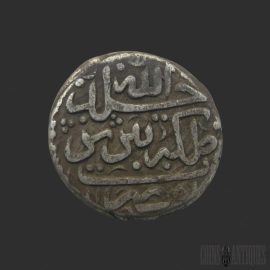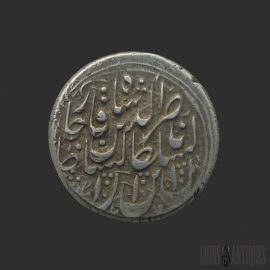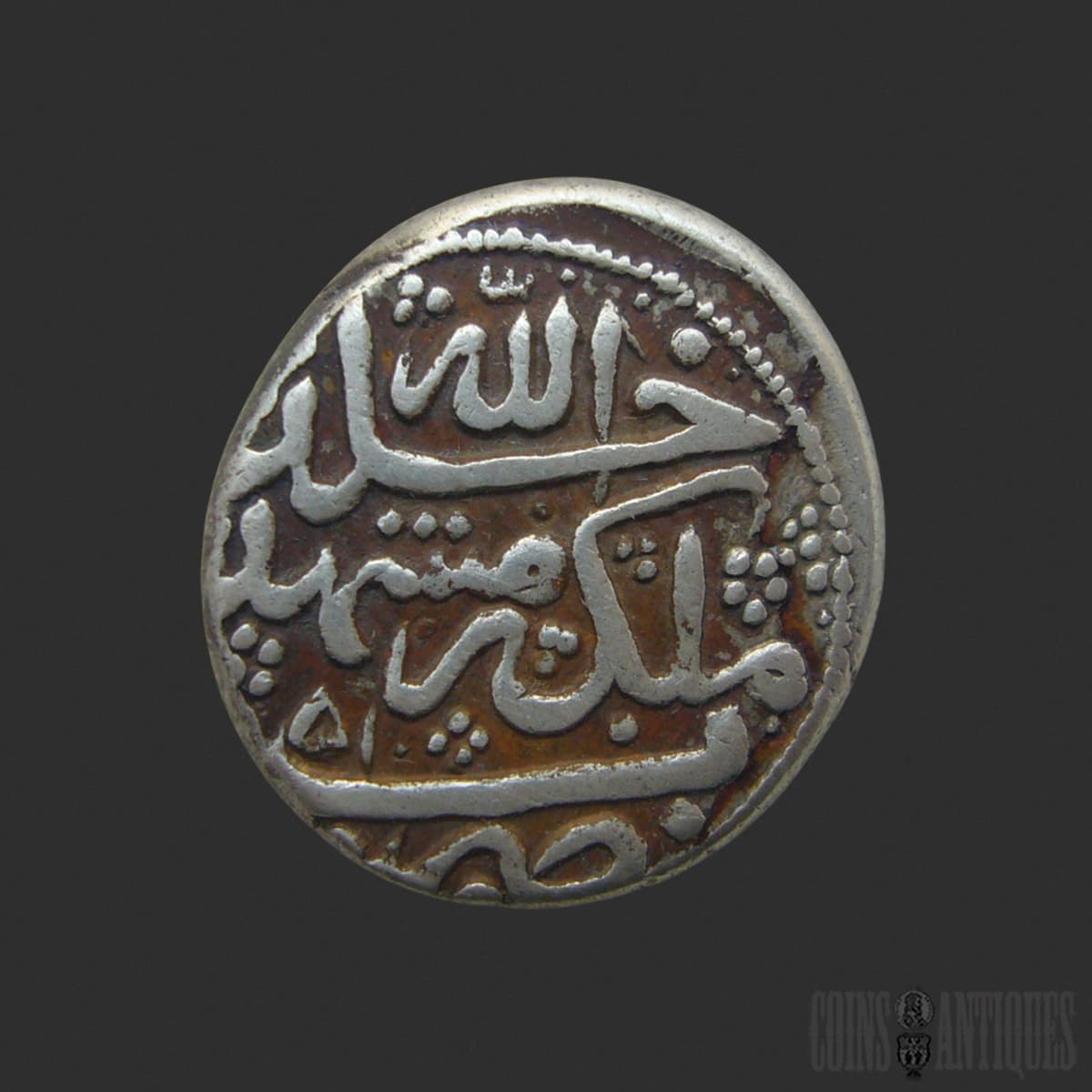
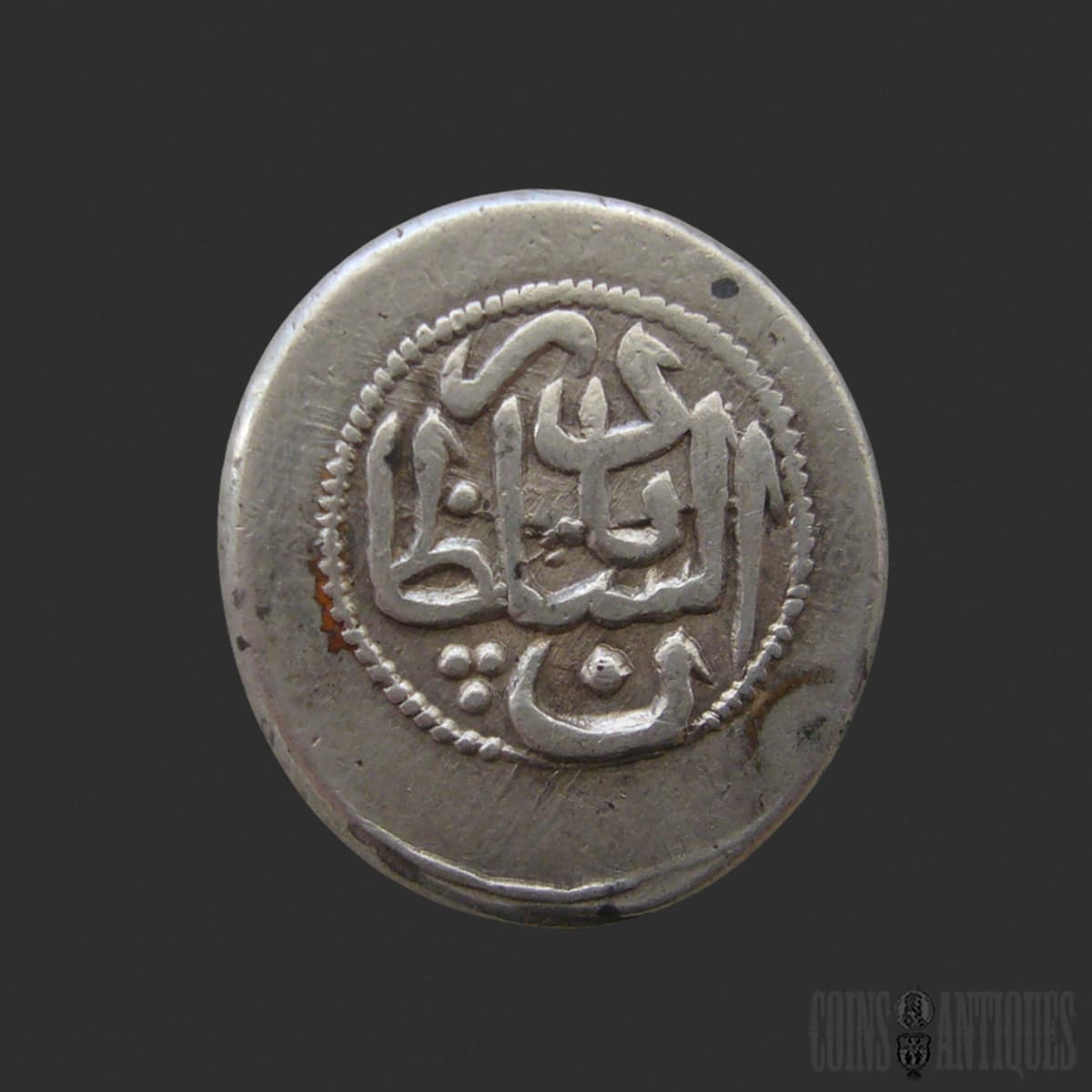
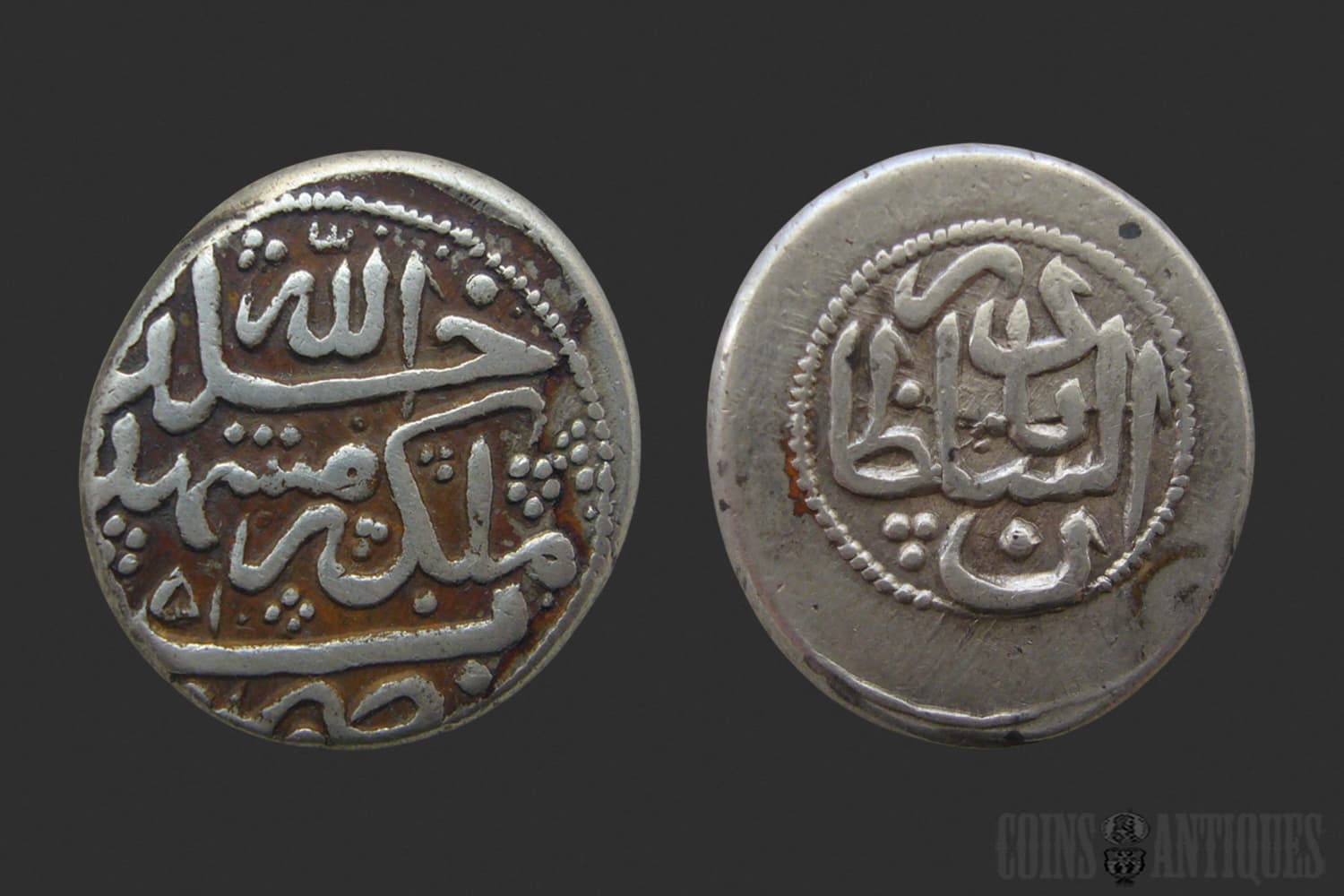
Afsharid Dynasty: Nadir Shah Afshar Silver Coin, Mashhad Mint, 1151 AH (1738–1739 AD)
$ 90.00
Dynasty: Afsharid Dynasty
Ruler: Nadir Shah Afshar, (r. 1736–1747)
Mint: Mashhad
Date: AH 1151 (1738–1739 AD)
Metal: Silver
Region: Persia (Iran)
Type: Islamic Silver Coin / Dirham type issue
United States dollar ($)
This authentic silver coin belongs to the Afsharid Dynasty, struck during the reign of the powerful ruler Nadir Shah Afshar. Minted at the historic Mashhad Mint in AH 1151 (1738–1739 AD), this coin represents one of the most important phases of 18th-century Persian Islamic coinage.
Nadir Shah, the founder of the Afsharid Empire, was one of the most influential military leaders in Persian history. His reign marked the end of Safavid rule and the rise of a new imperial era characterized by military expansion, administrative reform, and strong centralized authority. Coins issued under his rule reflect this transition of power and carry significant historical and numismatic value.
The coin was struck in fine silver and follows traditional Islamic minting styles, featuring elegant Persian-Arabic calligraphy. The inscriptions typically include the ruler’s name “al-Sultan Nadir” along with religious blessings and mint details, confirming legitimacy and authority. The reverse side records the mint location, Mashhad, a major cultural and religious center in northeastern Persia, along with the date AH 1151.
Historically, Mashhad held great importance during Nadir Shah’s reign as both a political and spiritual center due to the presence of the shrine of Imam Reza. Coins minted here are considered highly significant as they represent both economic power and religious symbolism within the empire.
This silver coin not only served as a medium of trade but also as a powerful tool of imperial propaganda, reinforcing Nadir Shah’s authority across his vast territories. Today, it stands as a rare and collectible piece of Islamic numismatics, highly sought after by collectors specializing in Persian and Middle Eastern coinage.