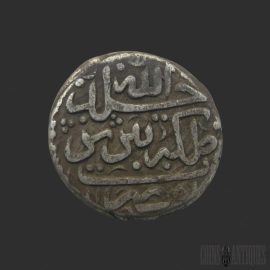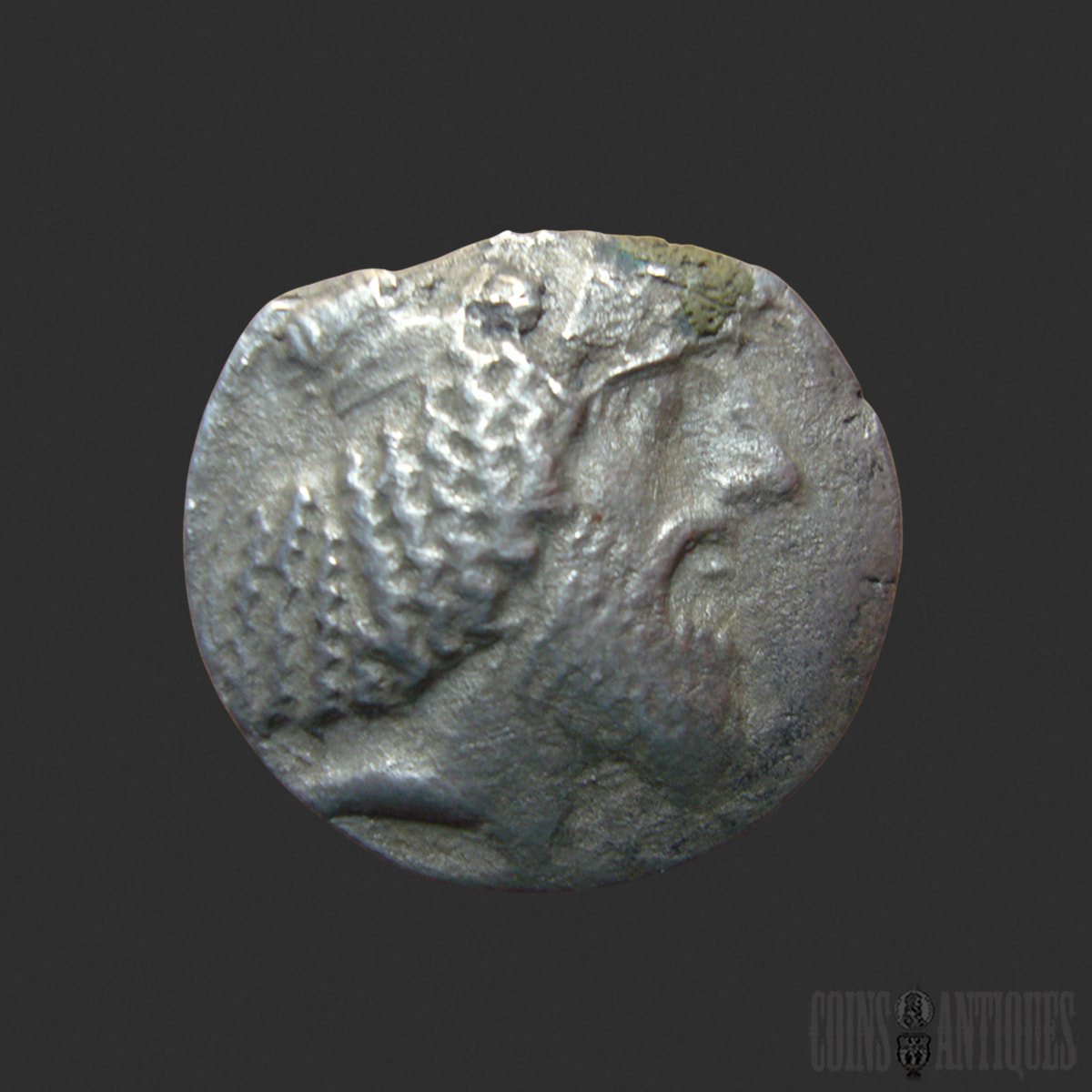
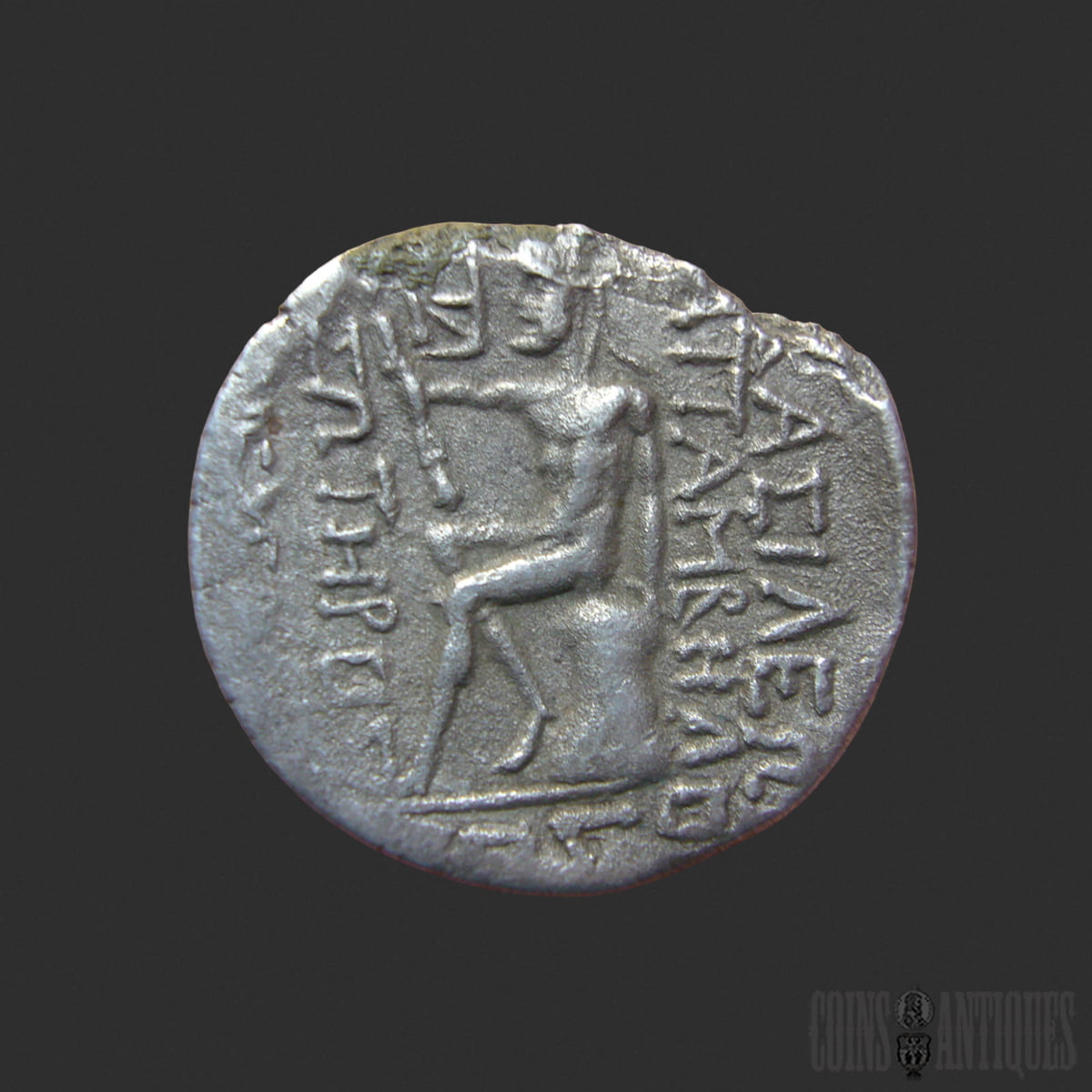
The King Attambelos I Silver Coin is a fascinating piece of ancient numismatic history from the Kingdom of Characene, an ancient kingdom situated in the region of southern Mesopotamia near the head of the Persian Gulf. Characene, also known as Mesene, emerged as an important regional power because of its strategic location along major commercial and maritime trade routes connecting Mesopotamia, Persia, Arabia, and the wider Hellenistic world.
Attributed to King Attambelos I, this ancient silver coin represents the monetary tradition of one of Characene’s early rulers. Attambelos I is remembered through surviving historical and numismatic evidence, and his coinage provides valuable insight into the political, cultural, and economic environment of ancient Characene.
Characene developed under strong Hellenistic cultural influence, and its coinage demonstrates this connection through its portraiture, inscriptions, and artistic style. At the same time, Characene’s location within the ancient Near East resulted in a distinctive combination of Greek, Mesopotamian, and regional traditions. This mixture makes Characene coins particularly appealing to collectors interested in the interaction between different civilizations during antiquity.
The silver composition of the coin adds further importance to its collectible appeal. Ancient silver coins were used not only as currency but also as instruments of trade and expressions of royal authority. The portrait of the ruler and accompanying inscriptions served to identify the issuing king and reinforce his authority throughout the kingdom.